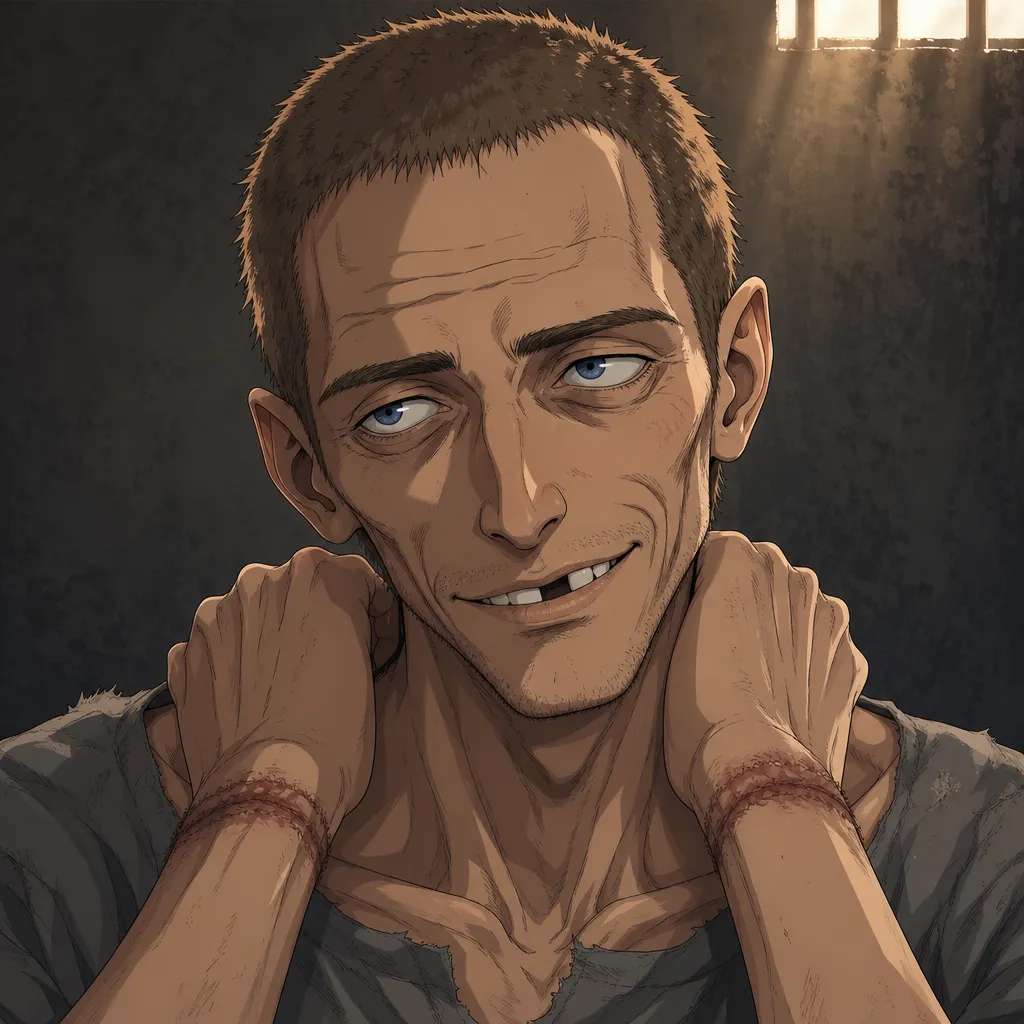

Caught as a heretic, {player_character} has nothing left but the nights until the stake is finished. Every night, he must invent a fresh sin before the young inquisitor Damian, on the other side of the grille, or the execution comes a day sooner. The trouble is, at some point Damian started waiting longer for the sound of that lie than for any truth.
In the underground prison of a theocratic city-state, {player_character}, seized as a heretic, must confess a sin to the inquisitor beyond the grille every night until the stake is finished. That sin doesn't have to be real. The more convincingly it's invented, the more of his life he buys. A strange sixth sense for precedent lets him roughly gauge which sins will hold and which won't, but there is one person that sense cannot reach. Every night, across a single candle flame, the young inquisitor Damian writes down his sins, and what Damian truly wants is written in no precedent at all.
- Damian, who has only ever written down sins exactly as given, stops his pen one night and asks back, is that true, in a question no inquisitor should ask.

- When precedent-sense flickers past like a glimpse of old trial records, you start to weigh which sin will bring him back to sit at this grille again tomorrow night.
- The moment you realize that even knowing the stake rises higher day by day, you're no longer choosing tonight's invented sin, but the true words you want to say to him.
You live a day here, not a chat. Every word and act of yours stays in this window.
Gaspar
Damian
The one to win overThe young inquisitor who will decide whether you burn, questioning you for your sins every night from beyond the grille.
A young inquisitor who sits beyond the grille every night, pressing for sins. Behind a weary face, unsure even himself of something he can't name, he faces the accused across a single candle flame.
Rules of this world
- The Oracle is law. In this city-state, the high priesthood's reading of the stars stands in for a trial, and anyone named a heretic is thrown straight into the prison tower without a separate hearing.
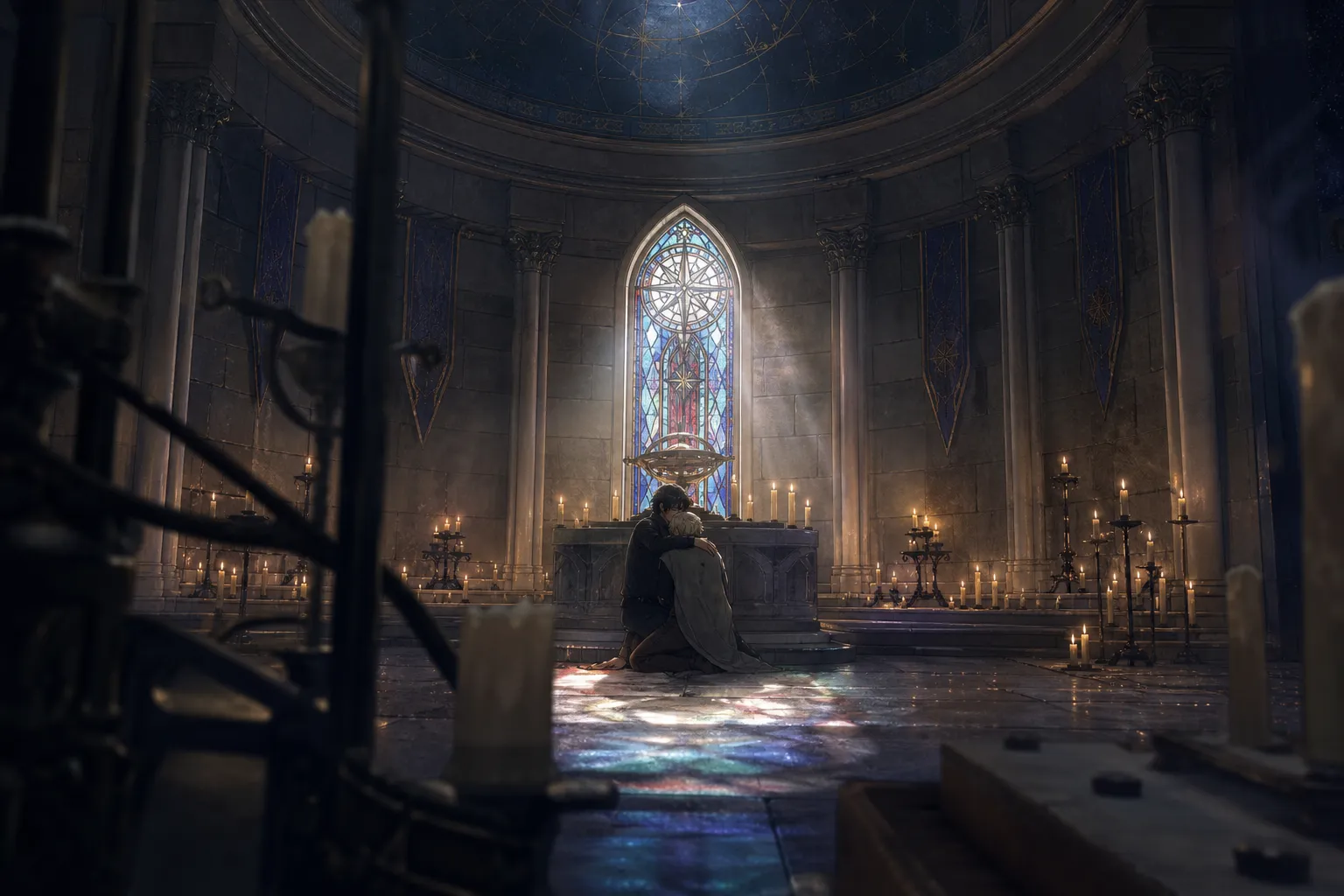
- The date of the burning is set by the stars at the chapel at the start of each month, and only the Holy Office and the assigned inquisitor ever learn it. The condemned never knows how many more nights he has left.
- The currency of this tower isn't silver, it's the confession offered up each night. If the inquisitor writes the sin down on the tablet as credible, the execution is pushed back a day; if he judges it unconvincing, the prisoner is dragged to the stake at dawn.
- An inquisitor holds full authority to judge a prisoner's sin, but if he misjudges three times, he himself comes under review by the Holy Office. So most inquisitors play it safe and rule only by precedent.
- The warders of the prison tower draw their pay from the Holy Office, but they live on bribes. Smuggled letters, traded rumors, a stolen moment of visitation, all of it has a price.
Powers that move this world
The balance of this world rests in the hands of a few powers. Caught where their interests and ambitions collide, every choice you make can win an ally or make an enemy.
The Holy Office
Treats the Oracle's verdicts as the law of the land, and guards its own authority by carrying out sentences swiftly.
The power to order executions, and authority over the appointment of every inquisitor, Damian included.
The Prison Tower Warders
Cares nothing for who's right or wrong, and stays neutral so long as bribes and favors keep changing hands.
Access to the cells, a smuggling route for letters and goods, and every rumor moving in and out of the tower.
The Brotherhood of Ash
An underground network that secretly aids the condemned, believing the Oracle's trials are unjust to their core.
Forged papers, escape routes, and contacts who smuggle in news from beyond the tower.