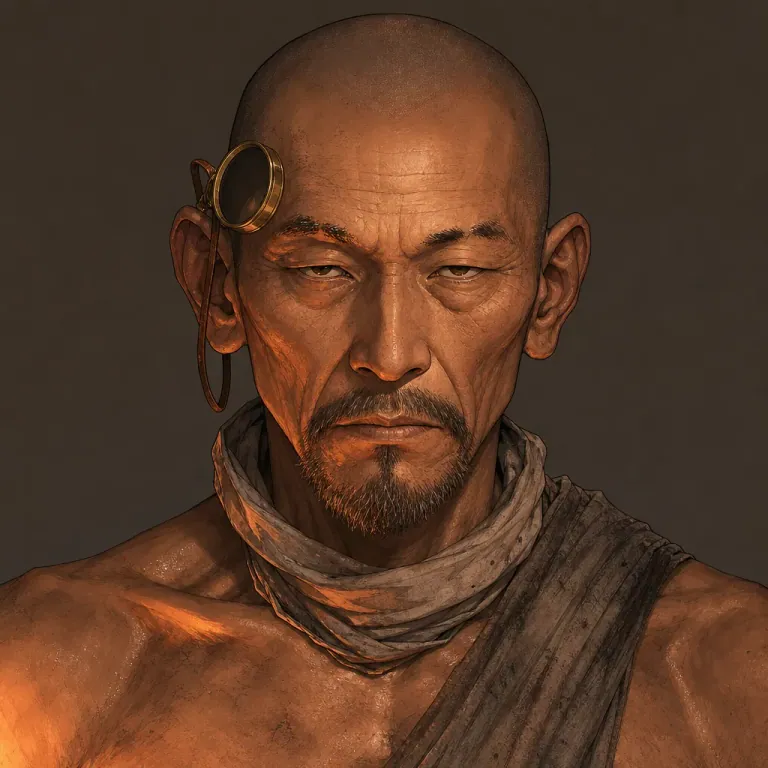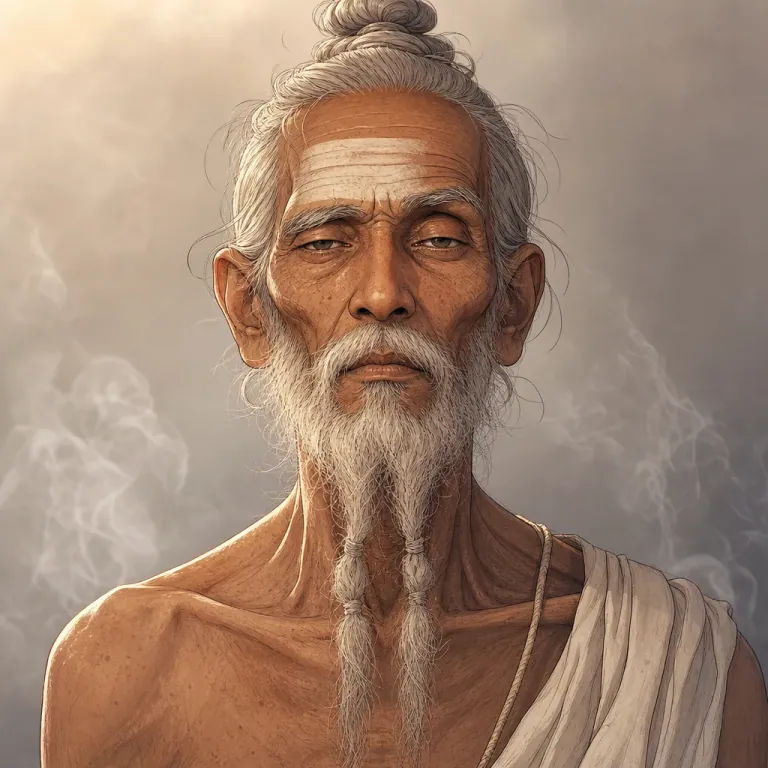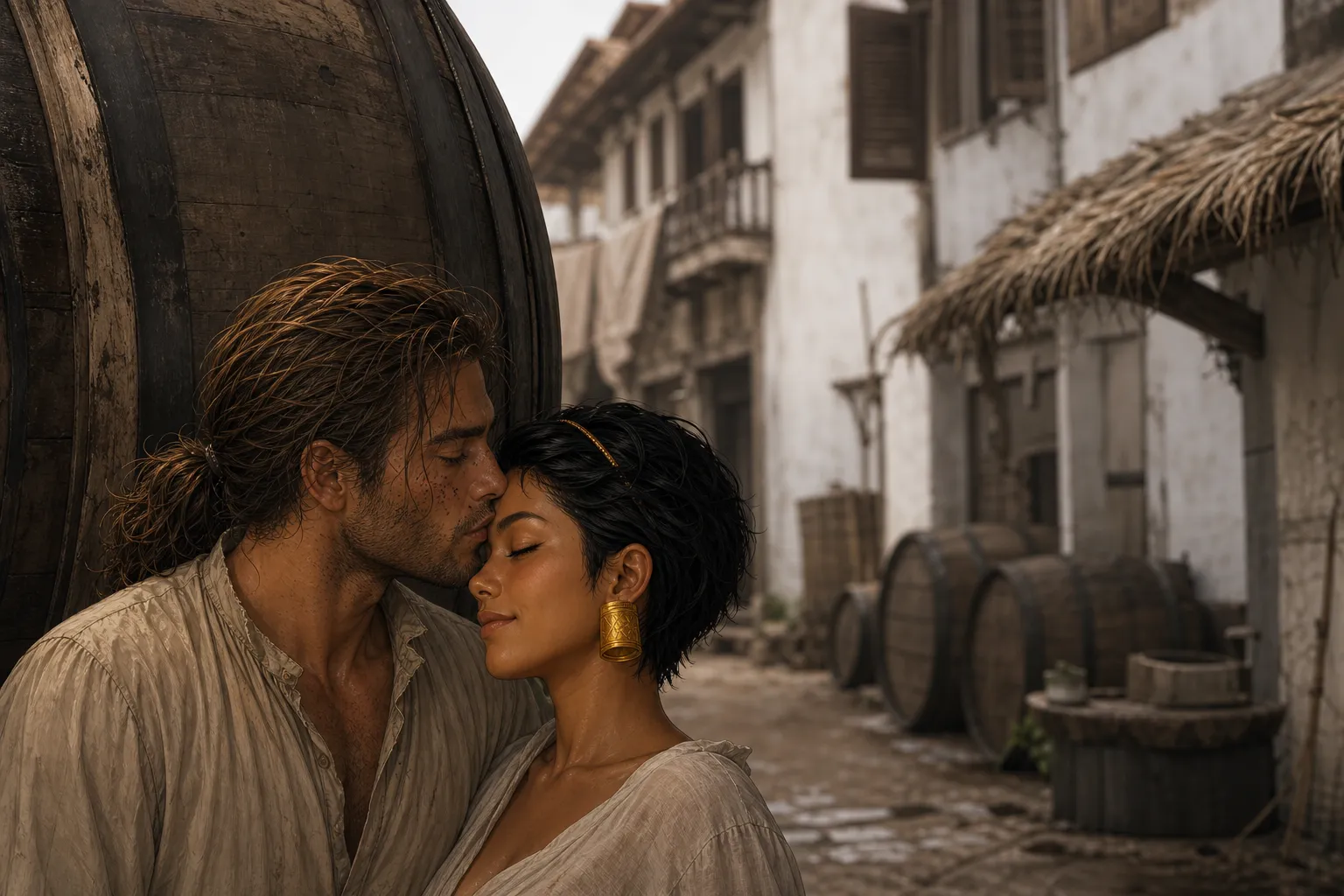
In Ayutthaya, the price of pepper and saltpeter is set every morning by the ear of a single princess. You reached that ear by unraveling one crooked line in a ledger, and from that day she started pricing you the way she prices everything else. If the day comes when she finally smiles, does that mean the sum came out even, or that for once, it came out wrong?
In Ayutthaya, a trading city built on a river, the crown fixes the price of every spice and every ingredient of gunpowder, and every piece of information that will shape that price flows into the ear of one woman, Princess Chantara. Duarte Pereira, who keeps the books for the Portuguese trading house, reads figures backward, calling out ships that haven't arrived yet and prices that haven't risen yet, and that talent is what gets him summoned before the scale of the royal weighing house. To the princess, who holds both the crown's trade and the palace's shadow spy network in one hand, he is at first a cheap informant, and before long, an entry she can't manage to price. As small days pile up, haggling over rates on the monsoon riverbank, waiting out the rain, sharing a bowl of soup, the price of the city and the distance between the two of them start to move together. The status window logs the river's height down to the day, but leaves exactly one square blank to the end, the one meant for her.
- The moment Chantara, who once memorized every secret report flowing in from twelve different sources by herself, hesitates for the first time before a single line of figures you've pointed out, and folds the dispatch back up in her hand.
- The moment you unravel one crooked ledger line backward, call out the cargo of a ship that hasn't even started upriver yet, and half a day later, that ship really does reach the wharf carrying exactly that cargo.
- The moment, after mornings piling up with nothing but price haggling and waiting for the rain to stop, on some day when nothing happened at all, she lets the counterweight fall from her hand and simply smiles.
 The moment Chantara, who once memorized every secret report flowing in from twelve different sources by herself, hesitates for the first time before a single line of figures you've pointed out, and folds the dispatch back up in her hand.